

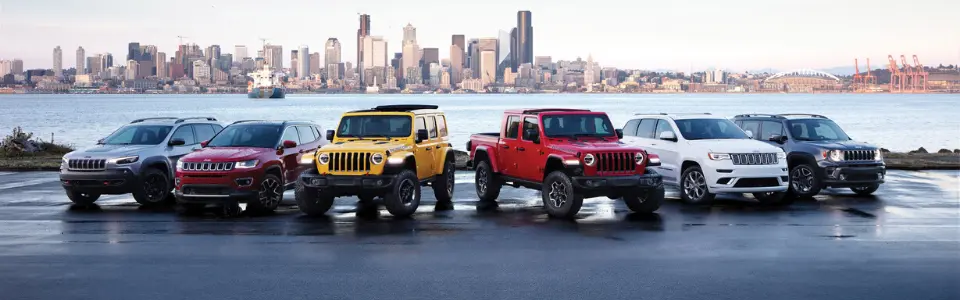
At Motor Inn, we have a wide variety of vehicles for sale in Carroll, IA. Our new and used car inventory includes sedans, sports cars, crossovers, SUVs, trucks, minivans, and more.
Not sure which type of vehicle body style is right for your needs and preferences? Here is a simple explanation of the types of vehicles you can buy at Motor Inn.
What is a Sedan?
Sedans were the most common type of passenger vehicle for most of the 20th century. Also known as a saloon, this type of car is built on a unibody platform with divided, enclosed areas for the motor, passengers, and cargo. You can identify a sedan as having clear divisions between its engine bay under the hood, seating area, and trunk.
Sedans typically have two rows of seats, four doors, low ground clearance, and are much longer than they are tall.
Benefits of a Sedan
- Higher fuel efficiency with lightweight build
- Secluded trunk space for valuables
- Costs less than other types of vehicles
Popular Sedans
- Toyota Corolla
- Toyota Camry
- Toyota Crown
- Chevrolet Malibu
- Chevrolet Cruze
What is a Coupe?
A coupe is very similar to a sedan, but it gives more seating space to front-row occupants than rear-row occupants. Most coupes only have two doors and omits the middle pillar (the B pillar) that would separate front-row doors from second-row doors. The driver has a much larger access to enter and exit the car, with more legroom to stretch out inside.
Some coupes remove the back row altogether and only have seating for two people.
Benefits of Coupes
- Same benefits as sedans
- Stylish appearance
- Sporty performance
- More accessible entry
- Roomier space for larger drivers
Popular Coupes
- Toyota GR86
- Toyota GR Supra
- Chevrolet Corvette
- Chevrolet Camaro
What is a Wagon?
Picture a four-door sedan with its roofline extended back to a fourth pillar (D pillar) at the rear end. That’s a wagon. Instead of walled within a trunk, cargo space in a wagon is open and accessible to rear-row passengers within the cabin and visible through added windows.
Wagons were the early inspiration for the now-popular crossovers of today but kept the low ground clearance and short height of sedans.
Benefits of Wagons
- More cargo space than sedans or coupes without compromising fuel efficiency
Popular Wagons
- Ford Focus Wagon
- Ford Taurus Wagon
- Toyota Prius V
- Toyota Matrix
- Chevrolet HHR
- Chrysler PT Cruiser
What is a Hatchback?
A hatchback is like a shortened wagon. It sacrifices some passenger space to bring cargo space closer toward the center of the vehicle, ending at the third pillar (C pillar) instead of needed a fourth pillar (D pillar).
Hatchbacks have less rear overhang than wagons. Some hatchbacks even have only two doors like a coupe but do so to maximize cargo space rather than driver comfort.
Benefits of Hatchbacks
- Ample cargo space
- Better fuel-economy
- Improved maneuverability than a wagon
- Often a cheaper option
Popular Hatchbacks
- Toyota Corolla Hatchback
- Toyota Prius
- Chevrolet Spark
- Ford Fiesta
- Ford C-MAX
Read also: Learn the 4 Types of Drivetrains
What is a Crossover?
A Crossover may resemble a small SUV (and is often called one), but it’s more like a big hatchback or tall wagon. It’s built with the same unibody construction as a sedan or other passenger car but with the shape of an SUV. This means higher ground clearance, taller overall height, better ride height visibility, and ample cargo space.
Crossovers typically have the same four-cylinder engines found in sedans and two rows of seats but often offer all-wheel drive to improve stability.
Benefits of Crossovers
- Bigger and taller than passenger cars without being gas-guzzlers like SUVs
Popular Crossovers
- Ford Edge
- Toyota RAV4
- Chevrolet Equinox
- Chevrolet Trax
- Toyota Highlander
What is an SUV?
A true SUV is actually built on the same platform as a pickup truck, meaning it has a body-on-frame design instead of a unibody design. This gives sport utility vehicles the off-roading 4WD ability and towing capability of a truck but with more passenger space.
In fact, full-size SUVs are essentially light-duty pickup trucks with an enclosed bed that’s used for a third seating row.
Benefits of SUVs
- More passenger seating
- Greater utility capabilities than a crossover
- Stronger than a minivan
Popular SUVs
- Chevrolet Tahoe
- Ford Bronco
- Jeep Grand Cherokee
- Toyota 4Runner
Why a Crossover SUV May Be Your New Favorite
What is a Pickup Truck?
You know what a pickup truck is when you see it. This type of body-on-frame utility vehicle is divided into three sections: engine compartment, cab, and cargo bed.
Trucks are divided into classes ranging from light-duty to heavy-duty but all have an open, exposed beds for hauling large or messy items.
Trucks come in a range of configurations, from RWD one-row cabs with long beds to 4WD four-door cabs with short beds.
Benefits of Pickup Trucks
- Best vehicle for hauling, towing, and off-roading in Iowa
Popular Trucks
- Chevrolet Silverado 1500
- Toyota Tundra
- GMC Canyon
- Ram 2500
- GMC Sierra 1500
What is a Minivan?
Although a minivan looks like it’s similar to an SUV based on its size, it’s actually closer to a crossover in terms of its underlying construction.
Minivans are passenger vehicles usually built on unibody platforms like sedans and crossovers are, but minivans have massive bodies intended solely for maximum passenger space. They can fit as many as nine people across three rows, which are easy to access via sliding side doors.
They have low ground clearance and aren’t made for any demanding utility functions.
Benefits of Minivans
- Unbeatable seating capacity
- Cavernous interior cargo space
- More fuel-efficient than similarly sized three-row SUVs
Popular Minivans
- Chrysler Pacifica
- Toyota Sienna
Find Your Next Vehicle at Motor Inn in Carroll
Experience the differences between each of these types of vehicle body styles when you visit Motor Inn when you see them in person and get a first-hand introduction with a test drive.
We have used vehicles and new Chevrolets and Toyotas.
Give us a call at (712) 522-2526.
