Blog

All Carroll Dealership Repairs & Maintenance Body & Trim Crossovers & SUVS New Vehicles Used Vehicles Spring Care Toyotas Trucks Winter Care
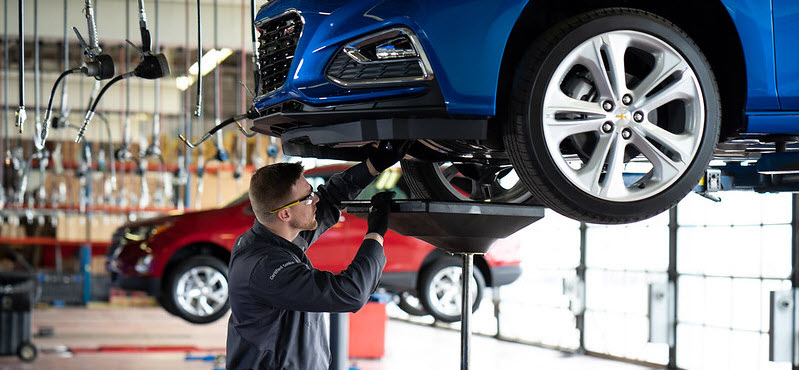
A mechanic in a black uniform and gloves performing maintenance on a car lifted up in an auto repair shop.

Do Hybrid Vehicles Need Special Services?

Hybrid vehicles are a popular choice for many drivers, offering a balance between fuel efficiency and performance. But with the added complexity of a dual powertrain system, some drivers may wonder if hybrid vehicles require special services. Here’s what you need to know about maintaining your hybrid vehicle. Regular Maintenance As with any vehicle, regular maintenance is crucial for keeping your hybrid running smoothly. This includes regular oil changes, tire rotations, and brake inspections. Your owner’s manual will have specific guidelines for maintenance intervals based on your vehicle’s make and model. Battery Maintenance One of the most significant differences between hybrid and gas-powered vehicles is the battery system. Hybrid batteries are designed to last for many years, but they do require some maintenance to keep them performing at their best. This includes regular checks of the battery’s state of charge and capacity, as well as the connections between the battery and the rest of the vehicle’s electrical system. In some cases, battery replacement may be necessary, but this is typically only after several years of use. Electrical System Maintenance Hybrid vehicles have a more complex electrical system than traditional gas-powered vehicles, which means they may require more specialized maintenance. This includes checking the electric motor, inverter, and other components for any signs of wear or damage. Your vehicle’s electrical system should be inspected regularly by a qualified technician to ensure that everything is working properly. Related: 7 Common Car Maintenance Repairs Brake System Maintenance Hybrid vehicles use regenerative braking to help recharge the battery, typically leading to less brake wear than in traditional gas-powered vehicles. However, this doesn’t mean that the brakes don’t need regular maintenance. Like any vehicle, brake pads and rotors may need to be replaced periodically, and brake fluid should be checked and replaced as needed. Visit Motor Inn for Your Hybrid Service Needs If you own a hybrid vehicle, it’s important to have it serviced by a qualified technician who is familiar with the unique needs of hybrid vehicles. At Motor Inn, our service department has the expertise and equipment to provide top-notch service for all types of hybrid vehicles. Whether you need a routine oil change or more specialized maintenance, we’re here to help keep your hybrid running smoothly. Contact us today to schedule your next service appointment!

Fuel-Saving Driving Tips for Older Vehicles

Fuel-Saving Driving Tips for Older Vehicles

As your car gets older, its fuel efficiency will decline, and it will consume more gasoline to travel the same distances in Iowa. Luckily, there are practices that you can follow to help squeeze every mile out. Here are some ways to save on how much you have to fuel up for your older vehicle. Accelerate swiftly, not hastily Stomping the acceleration pedal will cause your car to quickly consume gasoline as the motor hurries to increase the car’s speed. Instead of performing “jack rabbit starts” at green lights or highway on-ramps, give your vehicle more time to get up to the target speed. That doesn’t mean you should accelerate too slowly, though. Engines perform at their highest efficiency when at full throttle, so find the sweet spot for accelerating to your target gear promptly without over-straining the motor. Stay around the optimal speed limit The average gasoline-fueled vehicle achieves its peak efficiency at 50-60 mph. Plan your driving routes to follow roads with this optimal speed limit. The less often you’re stuck in slow, stop-and-go traffic near Carroll, the more gasoline you’ll save. Tone down aggressive driving Studies have shown that the more often you perform maneuvers in traffic that cause you to change your vehicle’s speed, the more gasoline is consumed. Instead, stick to a steady pace and do your best to avoid changing it. Keep tires inflated to proper pressure Your vehicle’s door jamb sticker should note the best PSI level for your car’s tires. Keeping your car’s tires at their correct air pressure will reduce rolling resistance and improve fuel economy. Accelerate swiftly, not hastily Stomping the acceleration pedal will cause your car to quickly consume gasoline as the motor hurries to increase the car’s speed. Instead of performing “jack rabbit starts” at green lights or highway on-ramps, give your vehicle more time to get up to the target speed. That doesn’t mean you should accelerate too slowly, though. Engines perform at their highest efficiency when at full throttle, so find the sweet spot for accelerating to your target gear promptly without over-straining the motor. Stay around the optimal speed limit The average gasoline-fueled vehicle achieves its peak efficiency at 50-60 mph. Plan your driving routes to follow roads with this optimal speed limit. The less often you’re stuck in slow, stop-and-go traffic near Carroll, the more gasoline you’ll save. Tone down aggressive driving Studies have shown that the more often you perform maneuvers in traffic that cause you to change your vehicle’s speed, the more gasoline is consumed. Instead, stick to a steady pace and do your best to avoid changing it. Keep tires inflated to proper pressure Your vehicle’s door jamb sticker should note the best PSI level for your car’s tires. Keeping your car’s tires at their correct air pressure will reduce rolling resistance and improve fuel economy. Related: Tire Options for Your Vehicle Drop any extra weight The heavier your vehicle is, the more work the motor will need to do to increase its speed. While you cannot change your vehicle’s curb weight, you can eliminate excess baggage that is weighing it down. This includes unneeded power tools in the trunk, boxes of books in the back seat, and even the roof rails on top. Keep only what is essential in your vehicle, rather than using it as a storage bin on wheels. Keep up with regular maintenance Your old car will perform better when its mechanical systems are serviced on a regular basis at our Carroll service center. Oil changes are crucial, and so are tire rotations and balances, alignment adjustments, and filter replacements. When is the last time you had the fuel system cleaned? Come visit us in Carroll If you’re ready to upgrade to a newer vehicle that gets better gas mileage, come to Motor Inn of Carroll. Our car dealership has a wide selection of fuel-efficient sedans, SUVs, and trucks for sale, including used vehicles. Visit us or call (712) 522-2526.

Maintenance Tips for High-Mileage Vehicles

Maintenance Tips for High-Mileage Vehicles

As your vehicle piles up the miles, keeping up with maintenance gets even more important. If you’re aiming to get many more years of dependable performance from your high-mileage car, truck, or SUV, here are some of the most important steps you need to take. Keep up with oil changes Changing the oil regularly is one of the most important things you can do for your high-mileage vehicle. Read your owner’s manual to find the recommended mileage interval, then be sure to follow it. Fresh oil helps your engine parts stay lubricated and last longer, and you can even find oil types designed especially for higher-mileage models. But operating with dirty or low oil increases wear and tear and can even introduce damaging contaminants into your engine. Follow the service schedule The older your car gets, the more important it is to get regular service and inspections. Getting regular checks for your battery, fluids, belts, tires, and other components can prevent serious problems or catch small issues before they turn into big, expensive ones. Regular cleaning is important as well—it’ll fight off rust, paint damage, and interior wear while keeping your vehicle looking much newer than it really is. Related: Fuel-Saving Driving Tips for Older Vehicles Be aware of major milestones Once your car crosses the 100,000-mile mark, it’s a good idea to be aware of some major issues that can crop up. 120,000 miles At this milestone, you may need to look at replacing brake, transmission, and coolant fluid; getting new shocks and struts; cleaning carbon deposits off the engine; and servicing AWD or 4WD differentials. 180,000 miles Once you pass this number, consider having the engine and transmission mounts checked, getting an inspection for the drivetrain seals, and testing the A/C system’s performance. 250,000 miles If your vehicle has lasted this long, congratulations! Now it may be time to inspect the catalytic converter, have the chassis inspected for damage, and schedule a cleaning for your fuel injectors. Come visit us in Carroll Here at Motor Inn of Carroll, we have the service experience necessary to care for your high-mileage vehicle. Call (712) 522-2526 soon to schedule an appointment and boost your peace of mind.

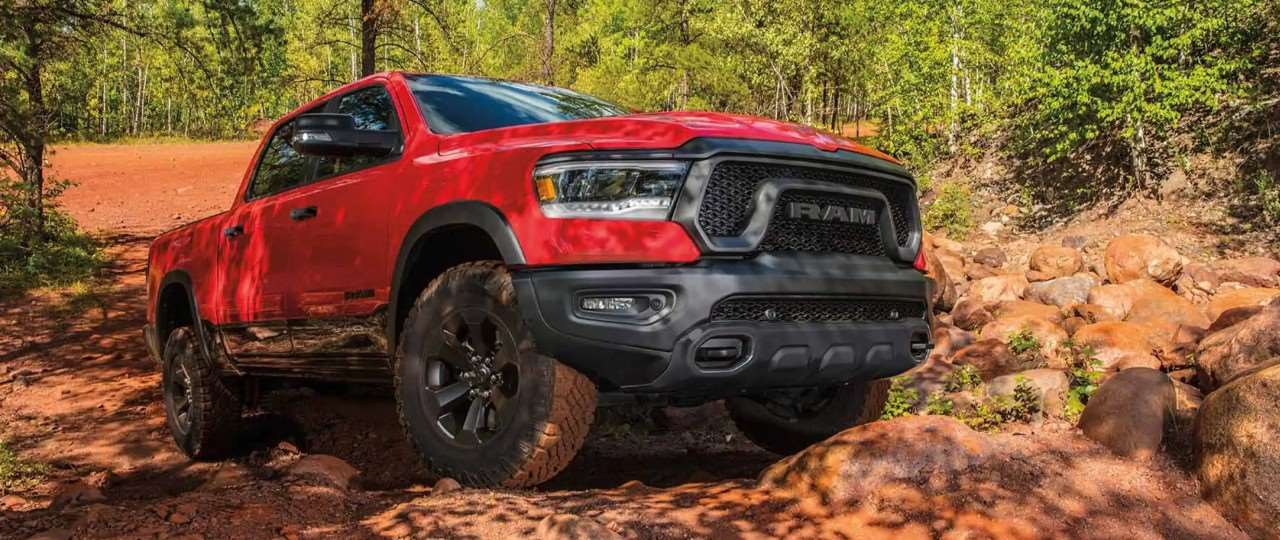
Red pickup truck on dust on a dirt road.

Tire Options for Your Vehicle

When buying a new set of tires for your car, pickup, or SUV, you’ll be presented with a stunning range of options. Deciding which type of tire is the best for your car will depend on your needs, budget, as well as how and where you drive. All-Season Tires Most cars sold today are equipped with all-season tires designed to handle a wide variety of road and weather conditions. They are a jack of all trades and master of none. They don’t provide the best ride quality, the best grip in snowy conditions, the best performance in dry conditions, or the best traction off the road, but if you had to pick just one type of tire to use all year round — especially in Iowa where we get all four seasons — then it would be an all-season tire. Winter Tires Winter tires are made with a special rubber compound designed to handle colder temperatures, and feature unique grooves that are better at biting into the pavement through snow. For the best performance during snowy weather and icy winter conditions, nothing beats having a set of winter tires to put on your car. Summer Tires Summer tires are intended for performance vehicles and come in several grades, such as touring and high performance. They perform better than all-season tires when the pavement is warm and dry, making them a good fit for most of the year. They also wear faster than all-season tires. Using summer tires in the spring, summer, and fall, and switching to winter tires in the winter can be a good strategy for many drivers. Off-Road Tires Also known as mud tires, off-road tires, have wide and deep grooves that can help you traverse mud and get past obstacles on a variety of loose surfaces. They have heavy-duty construction designed to prevent punctures and other types of damage. Read also: Learn the 4 Types of Drivetrains All-Terrain Tires All-terrain tires attempt to find a balance between all-season and off-road tires, making them a good fit for SUV and truck drivers who drive mostly on pavement but occasionally want the ability to go for a joyride in the dirt. Their downside is greater noise and reduced fuel economy. Low-Profile Tires Low-profile tires are tires with short sidewalls and larger wheel-to-tire ratio. They are popular for their performance characteristics and striking visual look. The stiffer sidewall of a low-profile tire leads to better handling, and the greater room in the wheel makes it possible to install larger brakes. However, cars with low-profile tires have a bumpier ride and are more susceptible to wheel damage when riding on poorly maintained roads. Nitrogen-Filled Tires Instead of filling your tires with regular air, you can pay extra to fill them with nitrogen instead. This is done to reduce air leakage, making it popular on recreational vehicles and for other heavy-duty applications. If you are diligent about keeping tabs on your car’s tire pressures, however, nitrogen-filled tires are an unnecessary extra expense. Find the Right Tires for Your Vehicle Before you settle on a new set of tires, visit Motor Inn of Carroll, Iowa. Our service specialists will be able to help you find just the right type of tire for your ride. Give us a call at (712) 522-2526.

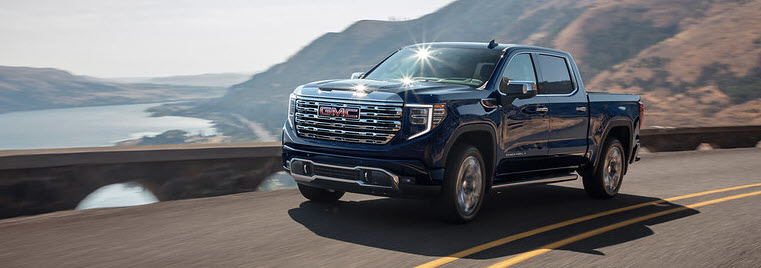
Black GMC Sierra AT4X pickup truck on a road.

Learn the 4 Types of Drivetrains

When shopping for a vehicle, one of the many factors to consider is the type of drivetrain. There are several options available, each with its own set of benefits and drawbacks. Let’s explore the differences between 2WD, FWD, 4WD, and AWD drivetrains, and help you determine which one can best help you get around in Knoxville, Algona, Carroll, and the surrounding Carroll area. 1. Two-Wheel Drive (2WD) Two-wheel drive is the most basic type of drivetrain. As the name suggests, power is sent to just two of the vehicle’s wheels. In most cases, those wheels are the front wheels (FWD), but some vehicles are rear-wheel drive (RWD). Because they are lighter, 2WD vehicles tend to be more fuel-efficient and agile than their 4WD or AWD counterparts, making them a great choice for drivers who prioritize fuel economy and on-road handling dynamics over off-road capabilities. If you’re looking for a reliable commuter car or a vehicle for city driving, a 2WD model is likely to be the perfect fit. 2. Front-Wheel Drive (FWD) Front-wheel drive is a type of 2WD drivetrain where the power is sent to the front wheels. This configuration offers several overall benefits such as better fuel economy and reduced weight, particularly if the engine is located at the front. Compared to RWD specifically, FWD offers improved traction in snow and rain as well as more stable handling, making models equipped with FWD safer for average drivers. Many popular models like the Chevrolet Equinox are available with FWD. If you’re looking for a practical, fuel-efficient vehicle that can handle the occasional rainstorm, an FWD model is the way to go. Read also: 7 Common Car Repairs 3. Four-Wheel Drive (4WD) Four-wheel drive is a drivetrain that sends power to all four wheels of the vehicle. This configuration is ideal for off-road driving, as it provides improved traction and control in challenging terrain. Many trucks and SUVs like the Toyota Tacoma come with part-time or full-time 4WD as standard or optional equipment. Keep in mind that while 4WD vehicles often give you the ability to drive in 2WD mode, they tend to have a rougher ride and be less fuel-efficient than vehicles with other types of drivetrains, so they may not be the best choice for daily commuting. However, if you’re looking for a vehicle that can handle tough terrain, a 4WD model may be the perfect fit. 4. All-Wheel Drive (AWD) All-wheel drive is a type of drivetrain that sends power to all four wheels of the vehicle, but can vary the amount of power sent to each wheel based on road conditions. AWD vehicles provide improved traction when accelerating in a variety of driving conditions, including rain, snow, and gravel. Note that AWD does not improve grip when steering or braking, so it’s still important to be cautious when driving an AWD vehicle. Many modern crossovers like the Chrysler Pacifica, Toyota RAV4, and Chevrolet Traverse come with AWD as an option. If you’re looking for a versatile vehicle that can handle a variety of driving conditions, it’s hard to go wrong with an AWD model. Find Your Next New or Used Car in Carroll, IA At Motor Inn of Carroll, we have a wide variety of vehicles available with different types of drivetrains. Whether you’re looking for a fuel-efficient commuter car or a rugged off-road vehicle, we have something for everyone. Some popular models available in our new and used inventory include the Chevrolet Equinox with FWD and Toyota RAV4 with AWD. Our experienced staff can help you find the perfect vehicle for your needs, so come visit our dealership in Carroll, IA. Schedule a test drive or call us at (712) 522-2526.

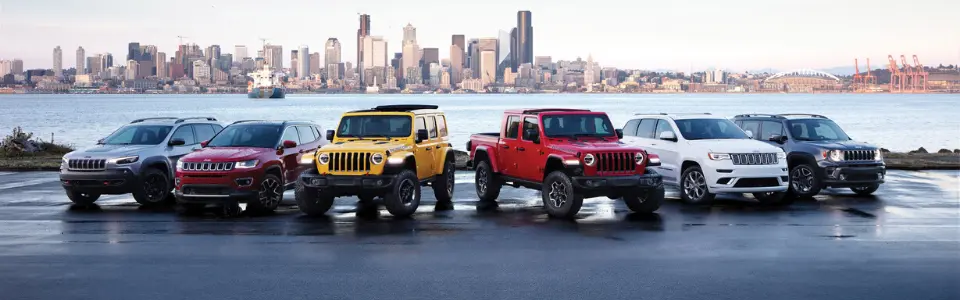
Trucks, Jeeps, SUVs, and more ready for sale at Motor Inn in Carroll, IA

A Guide to Vehicle Body Styles

At Motor Inn, we have a wide variety of vehicles for sale in Carroll, IA. Our new and used car inventory includes sedans, sports cars, crossovers, SUVs, trucks, minivans, and more. Not sure which type of vehicle body style is right for your needs and preferences? Here is a simple explanation of the types of vehicles you can buy at Motor Inn. What is a Sedan? Sedans were the most common type of passenger vehicle for most of the 20th century. Also known as a saloon, this type of car is built on a unibody platform with divided, enclosed areas for the motor, passengers, and cargo. You can identify a sedan as having clear divisions between its engine bay under the hood, seating area, and trunk. Sedans typically have two rows of seats, four doors, low ground clearance, and are much longer than they are tall. Benefits of a Sedan Higher fuel efficiency with lightweight build Secluded trunk space for valuables Costs less than other types of vehicles Popular Sedans Toyota Corolla Toyota Camry Toyota Crown Chevrolet Malibu Chevrolet Cruze What is a Coupe? A coupe is very similar to a sedan, but it gives more seating space to front-row occupants than rear-row occupants. Most coupes only have two doors and omits the middle pillar (the B pillar) that would separate front-row doors from second-row doors. The driver has a much larger access to enter and exit the car, with more legroom to stretch out inside. Some coupes remove the back row altogether and only have seating for two people. Benefits of Coupes Same benefits as sedans Stylish appearance Sporty performance More accessible entry Roomier space for larger drivers Popular Coupes Toyota GR86 Toyota GR Supra Chevrolet Corvette Chevrolet Camaro What is a Wagon? Picture a four-door sedan with its roofline extended back to a fourth pillar (D pillar) at the rear end. That’s a wagon. Instead of walled within a trunk, cargo space in a wagon is open and accessible to rear-row passengers within the cabin and visible through added windows. Wagons were the early inspiration for the now-popular crossovers of today but kept the low ground clearance and short height of sedans. Benefits of Wagons More cargo space than sedans or coupes without compromising fuel efficiency Popular Wagons Ford Focus Wagon Ford Taurus Wagon Toyota Prius V Toyota Matrix Chevrolet HHR Chrysler PT Cruiser What is a Hatchback? A hatchback is like a shortened wagon. It sacrifices some passenger space to bring cargo space closer toward the center of the vehicle, ending at the third pillar (C pillar) instead of needed a fourth pillar (D pillar). Hatchbacks have less rear overhang than wagons. Some hatchbacks even have only two doors like a coupe but do so to maximize cargo space rather than driver comfort. Benefits of Hatchbacks Ample cargo space Better fuel-economy Improved maneuverability than a wagon Often a cheaper option Popular Hatchbacks Toyota Corolla Hatchback Toyota Prius Chevrolet Spark Ford Fiesta Ford C-MAX Read also: Learn the 4 Types of Drivetrains What is a Crossover? A Crossover may resemble a small SUV (and is often called one), but it’s more like a big hatchback or tall wagon. It’s built with the same unibody construction as a sedan or other passenger car but with the shape of an SUV. This means higher ground clearance, taller overall height, better ride height visibility, and ample cargo space. Crossovers typically have the same four-cylinder engines found in sedans and two rows of seats but often offer all-wheel drive to improve stability. Benefits of Crossovers Bigger and taller than passenger cars without being gas-guzzlers like SUVs Popular Crossovers Ford Edge Toyota RAV4 Chevrolet Equinox Chevrolet Trax Toyota Highlander What is an SUV? A true SUV is actually built on the same platform as a pickup truck, meaning it has a body-on-frame design instead of a unibody design. This gives sport utility vehicles the off-roading 4WD ability and towing capability of a truck but with more passenger space. In fact, full-size SUVs are essentially light-duty pickup trucks with an enclosed bed that’s used for a third seating row. Benefits of SUVs More passenger seating Greater utility capabilities than a crossover Stronger than a minivan Popular SUVs Chevrolet Tahoe Ford Bronco Jeep Grand Cherokee Toyota 4Runner Why a Crossover SUV May Be Your New Favorite What is a Pickup Truck? You know what a pickup truck is when you see it. This type of body-on-frame utility vehicle is divided into three sections: engine compartment, cab, and cargo bed. Trucks are divided into classes ranging from light-duty to heavy-duty but all have an open, exposed beds for hauling large or messy items. Trucks come in a range of configurations, from RWD one-row cabs with long beds to 4WD four-door cabs with short beds. Benefits of Pickup Trucks Best vehicle for hauling, towing, and off-roading in Iowa Popular Trucks Chevrolet Silverado 1500 Toyota Tundra GMC Canyon Ram 2500 GMC Sierra 1500 What is a Minivan? Although a minivan looks like it’s similar to an SUV based on its size, it’s actually closer to a crossover in terms of its underlying construction. Minivans are passenger vehicles usually built on unibody platforms like sedans and crossovers are, but minivans have massive bodies intended solely for maximum passenger space. They can fit as many as nine people across three rows, which are easy to access via sliding side doors. They have low ground clearance and aren’t made for any demanding utility functions. Benefits of Minivans Unbeatable seating capacity Cavernous interior cargo space More fuel-efficient than similarly sized three-row SUVs Popular Minivans Chrysler Pacifica Toyota Sienna Find Your Next Vehicle at Motor Inn in Carroll Experience the differences between each of these types of vehicle body styles when you visit Motor Inn when you see them in person and get a first-hand introduction with a test drive. We have used vehicles and new Chevrolets and Toyotas. Give us a call at (712) 522-2526.

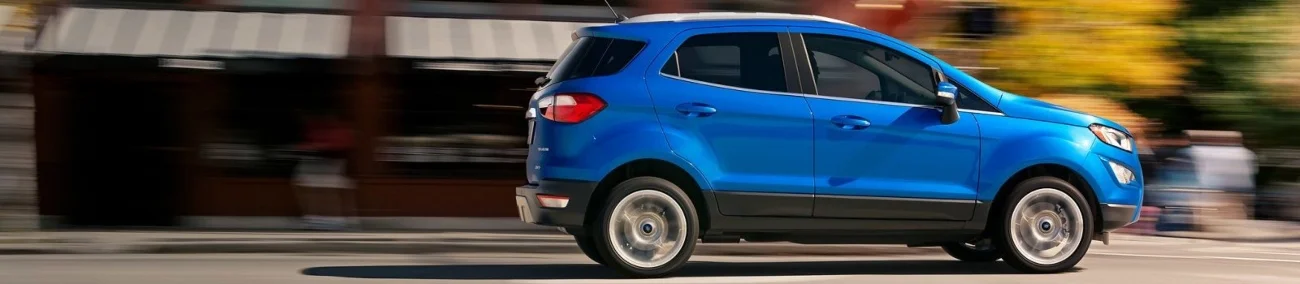
A blue SUV drives forward on a paved street near a brick building.

6 Reasons Why You Should Buy Used Cars

There’s nothing quite like the sparkle of a brand-new car, truck, or SUV. But unless you’re ready to pay thousands extra just for that “new car smell,” buying used might be the smarter choice. At Motor Inn Auto Group in Carroll, IA, we’re proud to offer a wide selection of dependable, affordable used Chevrolets, Toyotas, and many other makes and models. Here’s why choosing a used car could be the best decision for your budget, lifestyle, and peace of mind. 1. Skip the Heavy Depreciation It’s no secret. New vehicles lose value quickly. The moment you drive a new car off the lot, it takes a big hit in value, and the decline continues fastest during the first two to three years. By buying used, you let someone else absorb that steep depreciation while you enjoy the savings. In Carroll, that means you can invest in a high-quality pre-owned Chevrolet Silverado, Toyota Highlander, or other popular model and still feel confident about its long-term value. 2. More Car for Your Money Think of it this way: The same budget that gets you into a basic new car can often land you a well-equipped used SUV or truck with premium features. Leather seats, advanced safety technology, upgraded infotainment systems, and even all-wheel drive may be within reach when you shop used. At Motor Inn, you’ll find everything from fuel-efficient sedans like the Toyota Corolla to family-friendly SUVs like the Chevrolet Traverse, often at prices that stretch your dollar further. 3. A Bigger Variety to Choose From When shopping new, you’re limited to the current model year and a handful of trims and colors. With used cars, you have access to multiple years, trims, and even discontinued options that may better fit your style or needs. Maybe you’ve been eyeing a specific color Chevrolet Equinox or a Toyota Tacoma with unique features that isn’t available new anymore. Your best chance of finding it is in the pre-owned market. Read also: A Guide to Vehicle Body Styles 4. Dependability That Lasts Some people still worry that buying used means sacrificing reliability. That simply isn’t true anymore. Modern vehicles are built to last longer than ever before, and many used cars can easily surpass 150,000 miles with proper maintenance. At Motor Inn in Carroll, every pre-owned vehicle on our lot is thoroughly inspected for safety and performance, so you can buy with confidence. 5. Certified Pre-Owned Peace of Mind If you’re looking for even more reassurance, Certified Pre-Owned (CPO) Chevrolet and Toyota models are a fantastic option. CPO vehicles undergo comprehensive inspections and come backed by manufacturer warranties, giving you both value and peace of mind. It’s the best of both worlds: the affordability of used with the security of a warranty. 6. Local Trust & Convenience Buying used isn’t just about the vehicle—it’s about who you buy it from. When you shop at Motor Inn Auto Group, you’re choosing a local dealership that’s been serving Carroll and western Iowa drivers for years. Our team takes pride in helping families, students, commuters, and farmers alike find the right vehicle for their needs and budget. Plus, our financing team makes it simple to find affordable loan or lease options, even if you’re working with a tighter budget or rebuilding credit. Find Your Next Used Car in Carroll, IA Whether you’re looking for a rugged Chevy Silverado, a reliable Toyota RAV4, or an affordable used sedan for daily driving, Motor Inn Auto Group has you covered. Our inventory is constantly updated, so there’s always something new to explore. Visit us in Carroll, IA, or browse our used inventory online today, then schedule a test drive or call us at (712) 522-2526. You could go home in an affordable vehicle you love.

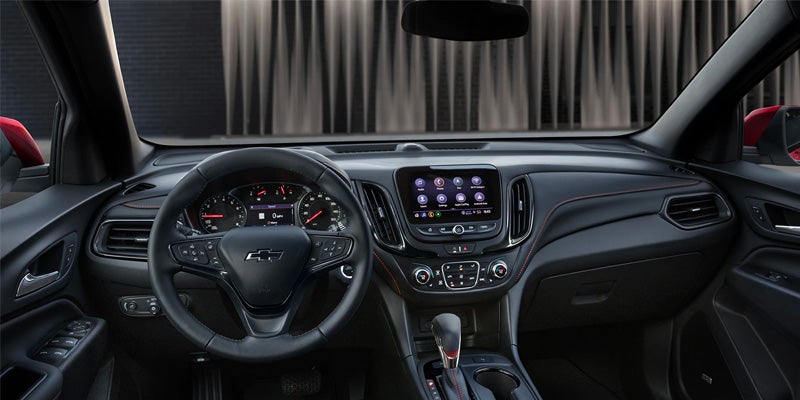
Interior shot of a car's dashboard and steering wheel, viewed from the driver's seat.

Dashboard Warning Lights: What They Mean for Your Vehicle

Modern vehicles are loaded with technology to help keep you safe, and one of the most important communication tools your car has is the dashboard. While those little glowing symbols may feel overwhelming at first, they’re designed to alert you to specific issues so you can take action before a small problem becomes a major repair. At Motor Inn Auto Group in Carroll, IA, we want our customers to feel confident behind the wheel of their Chevrolet, Toyota, or any other vehicle. Here’s a guide to some of the most common dashboard warning lights and what they mean. Transmission Temperature Symbol: A gear with a thermometer inside If this light turns on, your transmission is running too hot. Causes may include towing heavy loads, low transmission fluid, or worn-out internal components. Continuing to drive could cause significant damage, so it’s best to pull over safely and contact Motor Inn’s service team right away. Brake System Symbol: An exclamation point inside a circle with parentheses This light could be something simple—like driving with the parking brake engaged—or something more serious such as worn brake pads, low brake fluid, or a malfunctioning anti-lock brake system. If the parking brake isn’t the cause, have your brakes inspected immediately. Safe braking is non-negotiable. Airbag Warning Symbol: A seated figure with a circle in front (representing an airbag) If this light stays on while you’re driving, it means your airbag system isn’t functioning properly. In the event of a collision, the airbags may not deploy as intended—putting your safety at risk. Schedule a service appointment to have it inspected right away. Lamp Out Symbol: A circle with an exclamation point and rays (like a sun) This light alerts you when a headlamp, taillight, or another bulb has burned out. Having all your lights working is critical for visibility and safety, especially on rural Iowa roads at night. Washer Fluid Symbol: A windshield with water spray arcs. This one’s straightforward: Your washer fluid is low. It may not seem urgent, but good visibility is crucial. Keeping the reservoir topped off ensures you can clear dirt, bugs, or road grime from your windshield while driving. Door Open Symbol: An overhead outline of a car with one or more doors open This warning means exactly what it shows—one of your doors isn’t fully closed. Before you pull away, make sure all passengers have shut their doors securely. Low Fuel Symbol: A fuel pump icon This one’s familiar—you’re running low on gas. Don’t push your luck too far, as running on fumes could leave you stranded. Plan ahead and fuel up before your tank runs dry. Symbol: An oil can, usually in red If this light appears, it could mean your oil level is low, your oil pump isn’t working correctly, or there’s an issue with oil pressure. Driving without proper lubrication can severely damage your engine. Pull over safely and contact Motor Inn’s service department. Battery Alert Symbol: A car battery with plus and minus signs This indicates an issue with your charging system, whether it’s the battery itself, the alternator, or the cables. If this light appears, your car may not start the next time you turn the key. Tire Pressure Warning Light Symbol: A horseshoe shape with an exclamation point inside This light indicates one or more of your tires has low air pressure. Driving with underinflated tires reduces fuel efficiency, affects handling, and increases the risk of a blowout. Stop to check your tires and add air as needed. Read next: 10 Clear Signs Your Vehicle Needs Service Engine Temperature Warning Light Symbol: A thermometer dipping into water, usually in red This light means your engine is overheating—often due to coolant or antifreeze issues. Pull over immediately, turn off the engine, and call for assistance. Overheating can cause major engine damage if ignored. Traction Control Light Symbol: A car with squiggly tire tracks underneath. This light means the traction control system has activated—usually when a wheel slips on ice, snow, or loose gravel. It typically turns off once traction is regained. If it stays on, it may signal a system malfunction. Check Engine Light Symbol: A small engine outline, often amber Few dashboard alerts spark more worry than the check engine light. It can indicate anything from a faulty sensor to a serious engine malfunction that shouldn’t be ignored. Because there are so many possible causes, it’s important to bring your vehicle in for diagnostics at Motor Inn in Carroll as soon as possible. Trust Motor Inn Auto Group with Your Vehicle Maintenance Dashboard warning lights aren’t meant to be ignored—they’re designed to keep you safe. Whether it’s a minor issue or something more serious, our certified technicians at Motor Inn Auto Group in Carroll, IA, are here to help. Schedule a Service Appointment You can schedule an appointment by calling (712) 522-2526 or visit our Service Department scheduling page. Our repair service hours are Monday-Friday from 7:30 AM - 5:00 PM and Saturday from 7:30 AM - 12:00 PM. Shop New or Used Vehicles Looking to trade in your vehicle or shop for a new one? Check out our new Chevrolets and Toyotas that are fresh on the lot, or browse our used cars, trucks, SUVs, and vans.


Contact Us

Fill out this form below and we'll contact you shortly
*Required Fields